Category: Blog

Your blog category

  • What is TNR?

    If you’ve been following me (Abby Cat Daddy) for a while then you have most likely have read the acronym TNR; but what is it exactly?

    TNR means Trap, Neuter, Return. This is the method most commonly used in North America for community cat population management. It is the most effective and humane option out there as well.

    When a TNR group is notified of community cats living in an area, they go out and look it over to ensure there’s no immediate threat to the cats, they then set up feeding stations to build up a routine with the cats to get them ready for trapping. Once a routine is established the team will then not feed the cats the day before to ensure that the cats are hungry, they then place out the live traps with food to attract the cats, once the cat enters the cage far enough it automatically closes. Once the cats are all caged they are then brought to the vet for sterilization surgeries! The cats will be spayed or neutered, vaccinated with the appropriate vaccines, dewormed, flea treated and receive pain medications by injection along with an ear tip to identify them later on as already been TNR’d. Once the cats are done the vets will put them back into their traps with a bit of food while they recover from the anesthesia. Once fully awake and they have eaten, the TNR team brings them back to where they were trapped and released.

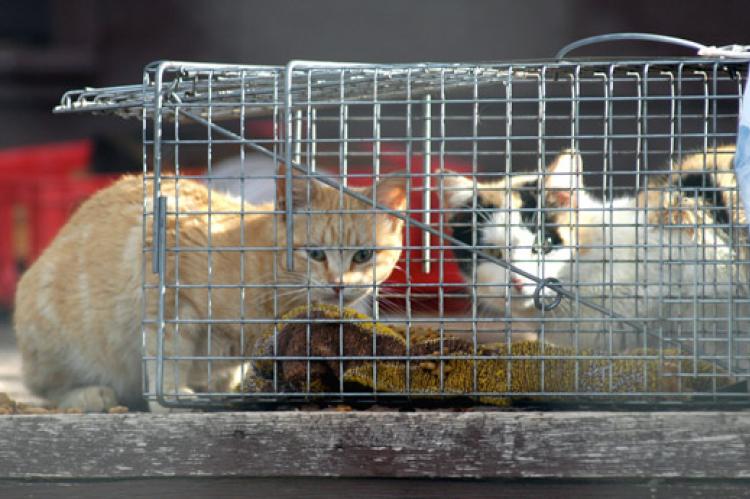
    Cat entering trap, photo credit to BestFriends

    But why do they return the cats? TNR groups will return cats to where they were found for numerous reasons. But mainly because that is the cats’ home. That area is what they know and it will continue to provide for them or they wouldn’t be there in the first place. Groups will also seek out a caretaker in each of these areas to ensure they get adequate food and shelter, and to monitor the cats for illness and injuries. Another reason we bring cats back is called the “vacuum effect”; which is what happens if we remove cats from an area, other cats will move in as the territory is no longer claimed and the cycle will just continue. You can learn more about the “vacuum effect” by clicking here.

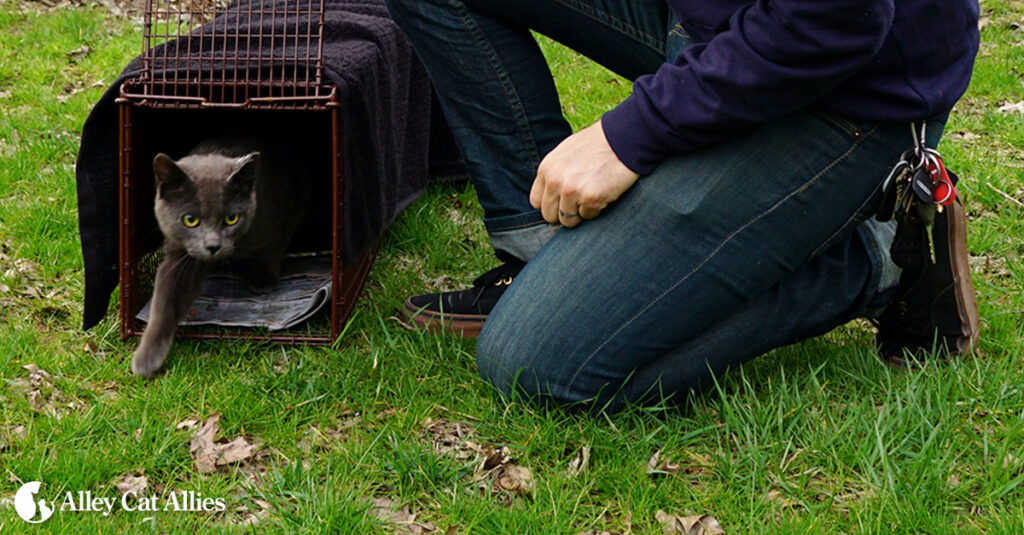
    Cat being returned, photo credit to Alley Cat Allies

    Besides the obvious benefit of reducing the number of community cats having kittens, we are also improving their quality of life by getting them vaccinated, neutered cats are also less likely to develop many common diseases, less likely to fight and contract viruses and infections. The other benefit for people sharing the same area is that the cats aren’t fighting or mating so noise complaints drop drastically AND cats are less likely to spray after getting neutered. It’s a WIN-WIN for the cats and the humans!

    When TNR groups discover cats with medical issues or kittens, they will make sure they get the care they need by whatever process their respective organizations have. Remember, the main goal is to community cat population control in the most humane way possible, while honouring each and every cat that we come across for who they are and not for who we want them to be.

    **Added shortly after posting; but it is important to note that the vet (or the volunteer) will check the cat for ear tip, tattoo and chip before proceeding with the operation. So if it is someone’s cat who has gone missing we may connect them once again.

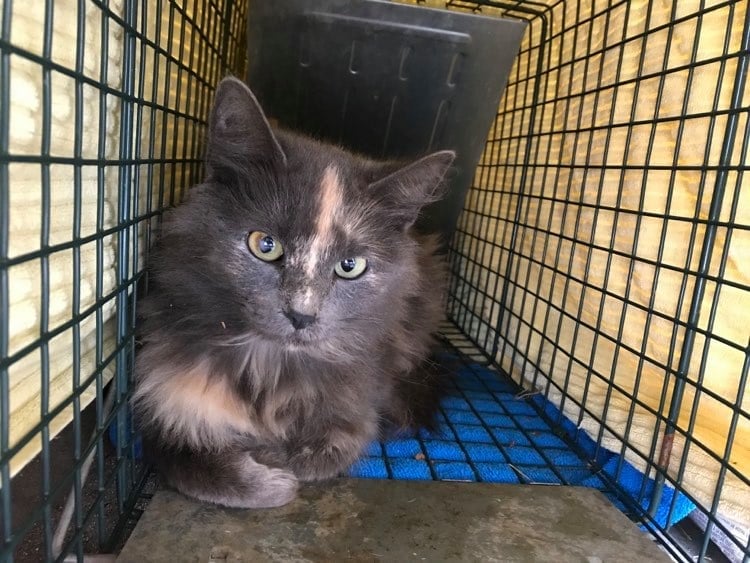
    Dexter a TNR’d cat, photo credits to FCM Community Cat Trappers
  • Escaped/ Displaced Cat Resource:

    Should your household cat (indoor only) ever escape the house by accident there is a lot to know about the state of being your cat will be in. They are not the same loving cat once they are in “protect” mode. I’d love to write a full article on this as it is so intriguing and can help so many people get their cats back home; however, this resource (linked here) goes into detail so that I don’t have to! You can rent traps from the local BC-SPCA shelters and you can also reach out to FCM Community Cat Trappers or Heart and Soul Community Cat Trappers to get assistance trapping your missing cat.

  • Spay and Neuter Clinics/ Programs in the Fraser Valley

    There are several clinics and programs in the Fraser Valley dedicated to helping get your furbabies sterilized, however for some they are not as well known. Below is a list of some of such programs and how to contact them. If you know of a program or clinic that offers free- affordable spays and neuters please email AbbotsfordCats@gmail.com with information and links and I will add them to this list. Please don’t forget to chip your cat! It’s affordable and can save your cat!

    FCM Feral Cat Management Community Cat Trappers Spay and Neuter Program: FCM has teamed up with two local vet clinics in Chilliwack to offer affordable sterilization surgeries. The process is quite simple, simply click on the link below, chose a clinic, complete the form and send the payment as directed. FCM will then send you a confirmation and you book the surgery as normal with the clinic chosen and FCM pays the clinic on your behalf. Prices just start at $110 CAD. Click here to learn more.

    Heart and Soul Dog and Cat Rescue Society Pregnant Queen’s Program: Heart and Soul will take on the care of your pregnant cat along with her kittens, once the kittens are of weaning age (8 weeks) they will spay mama and return her back to you while adopting out the kittens. There is no charge with this program. They will also offer to neuter any intact males living in the home (felines only). To apply for this program please email them directly at HSDCRescue@gmail.com

    Langley Spay and Neuter Clinic: I think the Langley clinic is probably one of the best-known programs in the Valley for affordable sterilization procedures. With neuters starting at just $102 and spays at $130 they are quite affordable and easily accessible with their online scheduling. To book a procedure or to learn more about this clinic visit the link here.

    Fraser Valley Humane Society: Offers discounted sterilization surgeries for Mission residents. These include spay/neuter/chip/vaccine/viral testing/ parasite control for $100. This is only offered to those families or individuals who demonstrate a financial need for support. To learn more click here.