Category: Blog

Your blog category

  • LAPS Continuation

    Founder and President of Abby Cat Daddy the Feline Advocate Society, Logan Bryan; has the following comments on the renewel of shelter lease between LAPS (Langley Animal Protection Society) and the Township of Langley:

    I welcome today’s update regarding the finalized agreement between the Township of Langley and LAPS.

    This outcome sees LAPS continuing its core mission of caring for and serving the animals of Langley while the Township assumes responsibility for animal protection and animal bylaw enforcement. In my view this is how it should be. Clear separation of enforcement and animal care roles is essential for transparency accountability and the wellbeing of both animals and the people who care for them.

    That said I do look forward to learning more about what specific programs LAPS will be continuing under this new framework how they will be funded and what restrictions if any will be attached. Experience across the rescue and animal welfare sector shows that the more roadblocks and limitations placed on programs the less effective and meaningful they ultimately become.

    While our work is based further east in the Fraser Valley serving Mission Abbotsford and Chilliwack we face many of the same ongoing challenges. Community cat populations do not recognize municipal boundaries and the impacts of policy decisions ripple across the region. We share a collective responsibility to advocate for humane evidence based solutions that support local community cats and the organizations working on the ground.

    I want to congratulate our friends on the LAPS team along with their board for reaching an agreement they can stand behind with the Township. I sincerely hope this agreement prioritizes not only spay and neuter access for cats living with families but also meaningful well resourced solutions to address the Township’s growing community cat population.

    Finally I hope this moment encourages the Township to adopt evidence based recommendations including a six cat pet household limit to better address animal welfare concerns public health considerations and the realities facing rescues and animal services.

    This has been an ongoing issue that many of us have spoken out about publicly and directly with Township leadership. I remain cautiously optimistic and will continue to advocate for policies and programs that put animal welfare first backed by practical humane and proven solutions.

    ~Logan Bryan
    The Abby Cat Daddy

    Click here to read LAPS Statement

  • Introducing The Fur Father Fund: Breaking Down Barriers to Essential Spay/Neuter Care

    Introducing The Fur Father Fund: Breaking Down Barriers to Essential Spay/Neuter Care

    At Abby Cat Daddy – The Feline Advocate Society, we believe that every companion animal deserves access to essential veterinary care, regardless of their family’s financial situation. Today, we’re thrilled to introduce a brand-new initiative that brings this vision one step closer to reality: The Fur Father Fund, made possible through the generosity and ongoing commitment of local realtor Jeffrey Wolfgang Klassen.

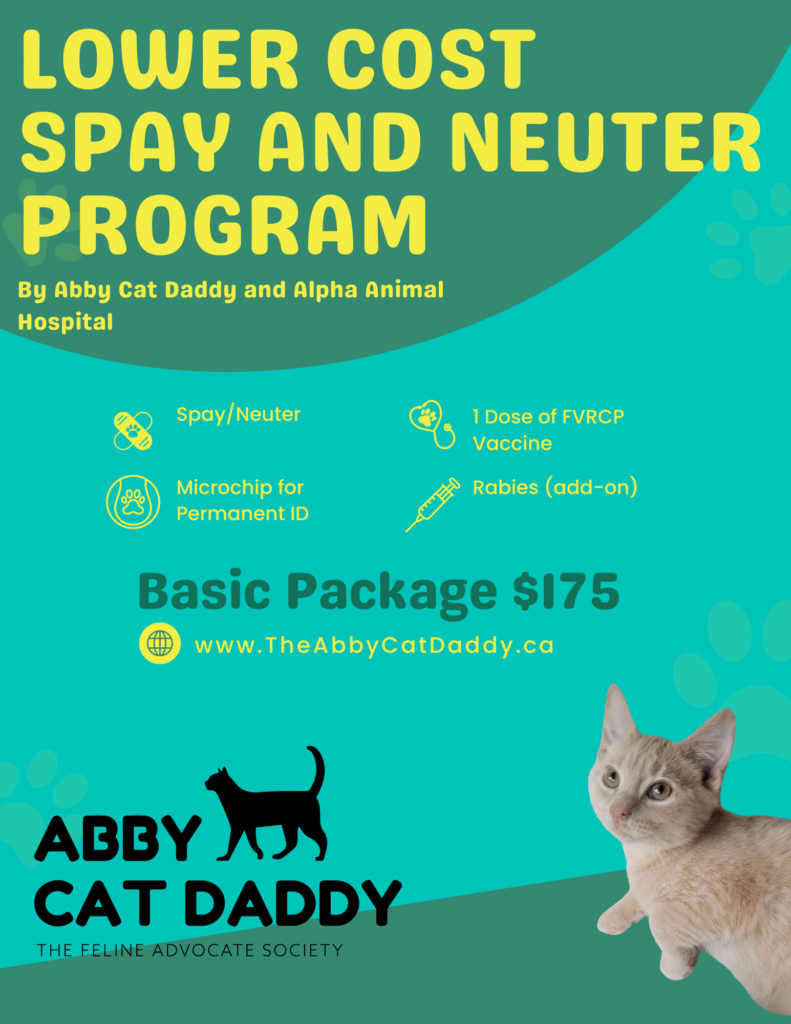
    Jeffrey has stepped forward with a promise to support families who want to do the right thing for their animal companions but simply cannot afford the full $175 cost of a community spay/neuter. His contributions will directly subsidize procedures for low-income households, helping prevent accidental litters, reduce feline overpopulation, and keep more cats happy, healthy, and safe.

    This is community compassion in action — and we’re incredibly grateful for it.


    A Limited but Life-Changing Resource

    While The Fur Father Fund has the potential to help many families, it is important for our community to understand that:

    • Funds are limited and will be offered on an as-available basis.
    • Applications are not guaranteed approval, even if applicants meet the general criteria.
    • All requests must go through additional processing, including documentation to verify eligibility.

    Because this fund is designed specifically for households facing financial challenges, we will require supporting documents that may include proof of income, government assistance, or extraordinary hardship. These steps ensure that funds are directed to those who need them most — and that the program remains sustainable for as long as possible.

    We appreciate your patience and understanding as each application is reviewed by our team.


    A Community Effort — You Can Help Too

    The Fur Father Fund may have been sparked by the generosity of Jeffrey Wolfgang Klassen, but its future can be strengthened by the entire community.

    If you believe in accessible veterinary care, want to reduce overpopulation, or simply want to help a neighbour in need, you can also donate to The Fur Father Fund online. Every contribution directly lowers the cost of spay/neuter procedures for families who are struggling financially.

    Together, we can extend the reach of this program and help even more human-animal families care responsibly for their feline companions.
    (Donation link will be added below.)


    Why This Matters

    Affordable spay/neuter access:

    • Reduces unplanned litters and community overpopulation.
    • Prevents serious medical conditions and unwanted behaviours.
    • Lessens strain on rescues, shelters, and TNR programs.
    • Creates a healthier, more compassionate community for both human-animals and non-human animals.

    The Fur Father Fund allows us to bridge a gap our team sees every single day. For many households, the desire to be responsible is there — the financial means simply aren’t. Jeffrey’s generosity changes that.


    A Heartfelt Thank You

    To Jeffrey Wolfgang Klassen: thank you for stepping up in such a meaningful way. Your ongoing support is already making a real difference for families and felines across the Fraser Valley. You truly are a “Fur Father” to the cats who need it most.

    And to our community: thank you for believing in our mission. Whether you adopt, foster, donate, volunteer, or simply share our work, you are helping us build a stronger safety net for the cats who rely on all of us.

  • Spay/Neuter and TNR: A Critical Investment in Community Well-Being and Municipal Fiscal Health

    Spay/Neuter and TNR: A Critical Investment in Community Well-Being and Municipal Fiscal Health

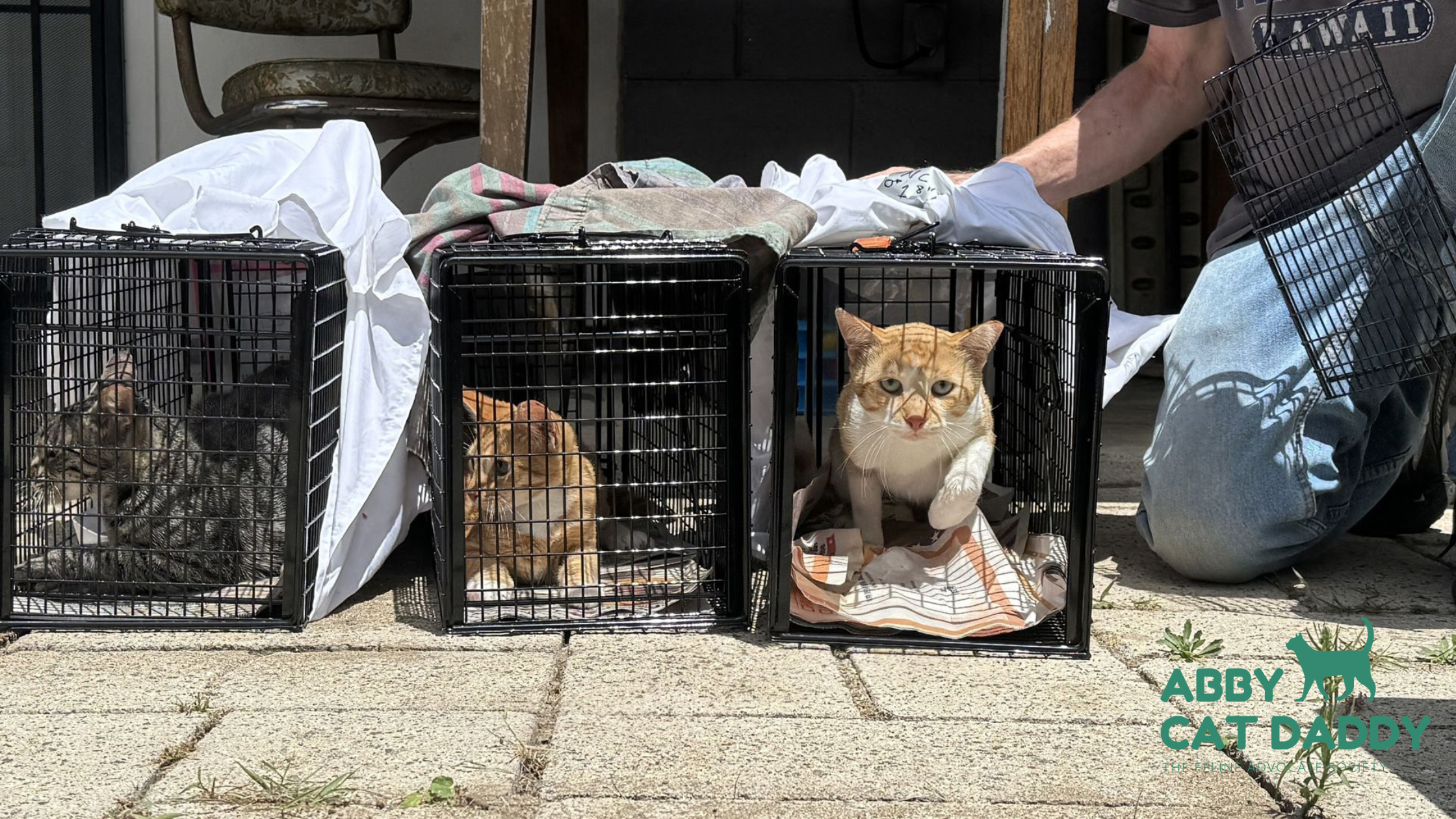
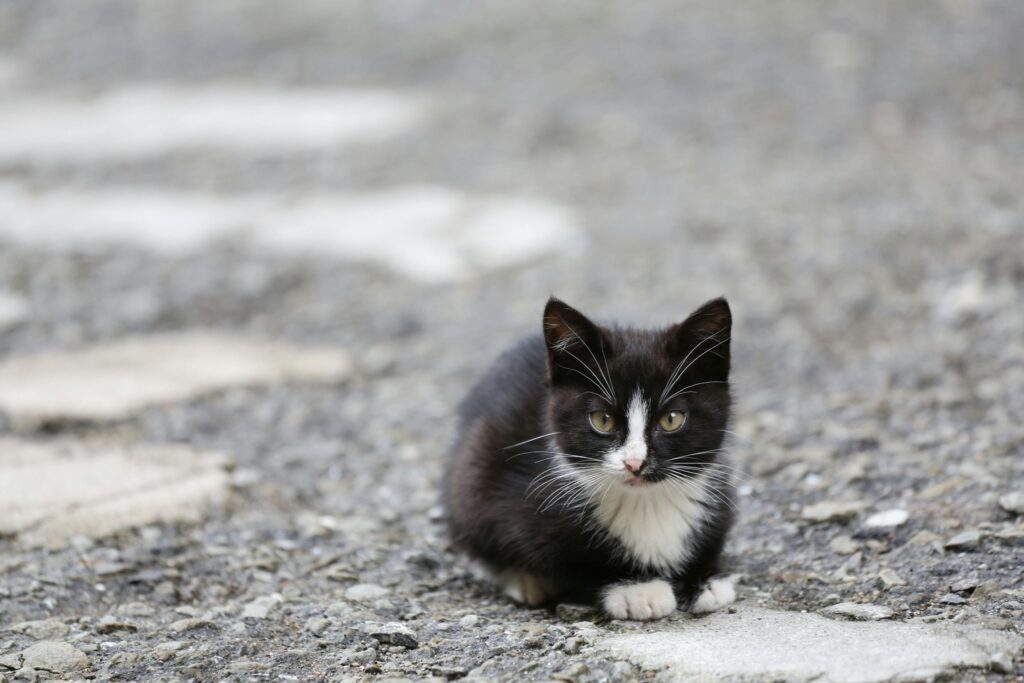
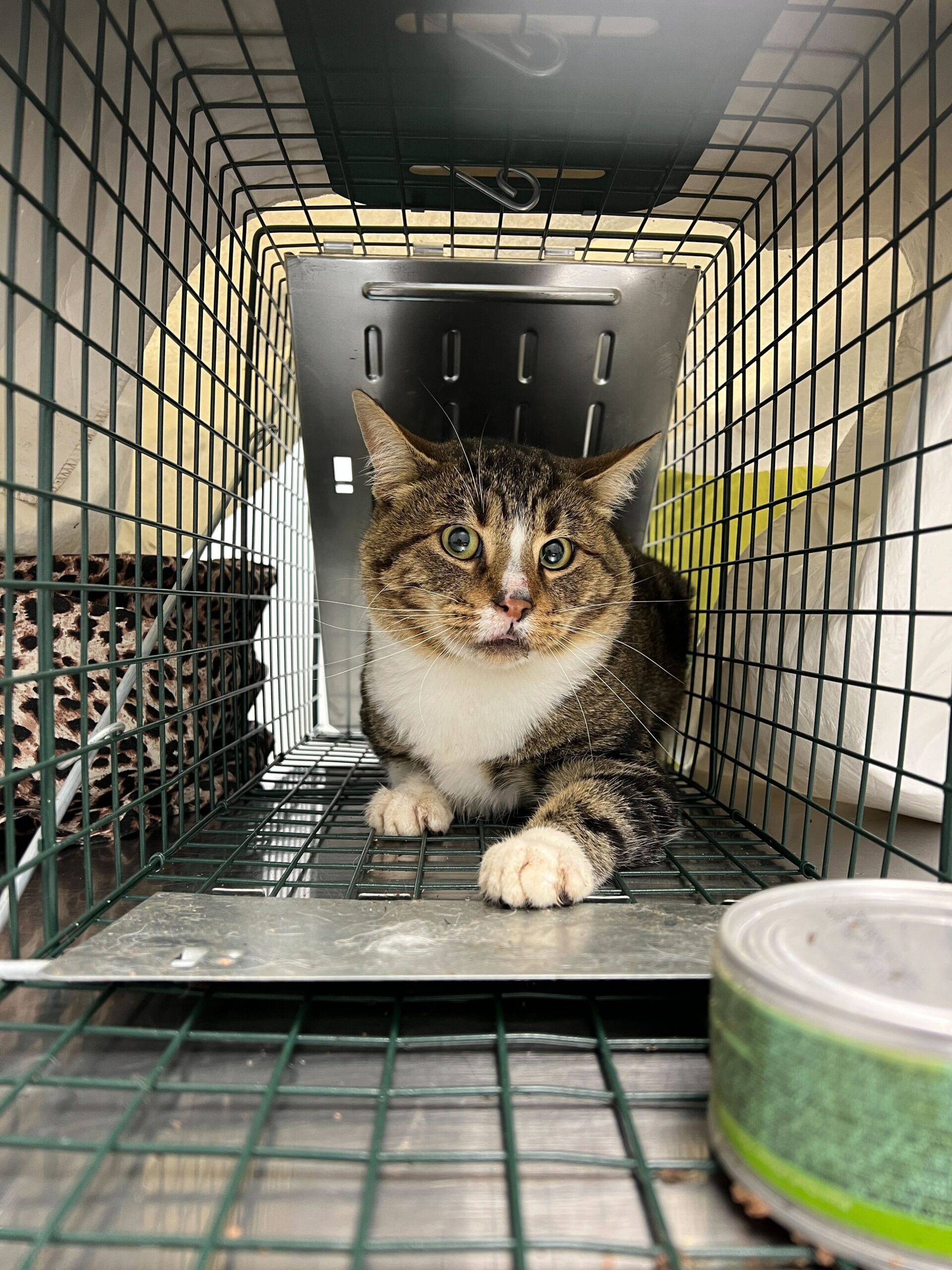
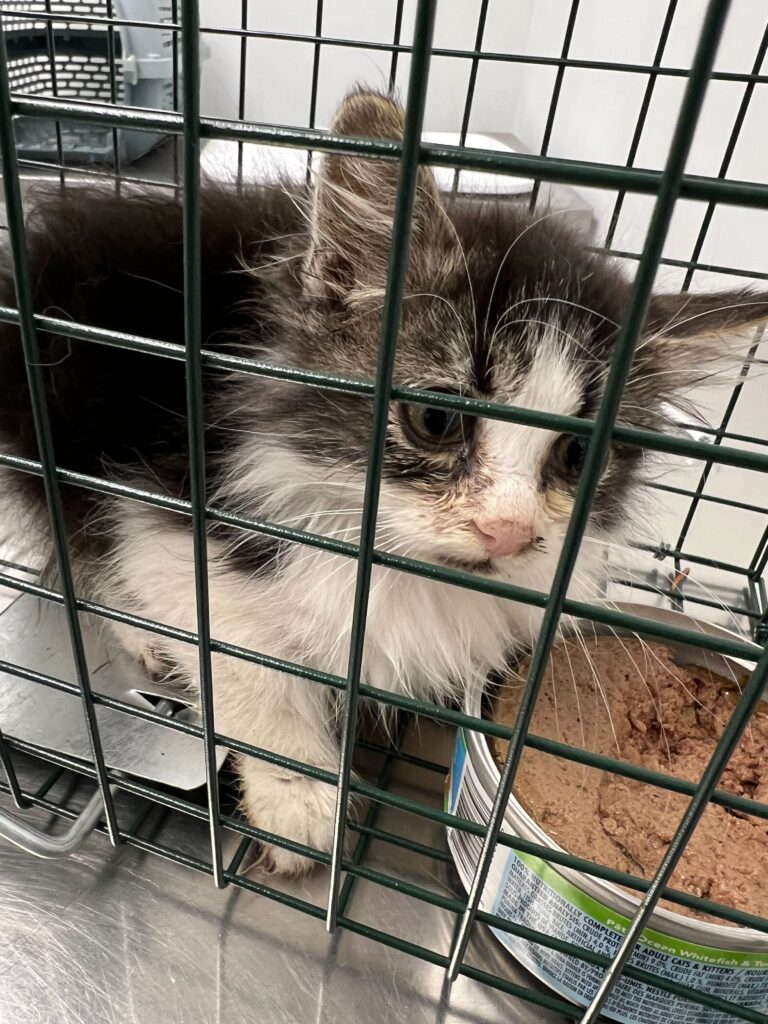
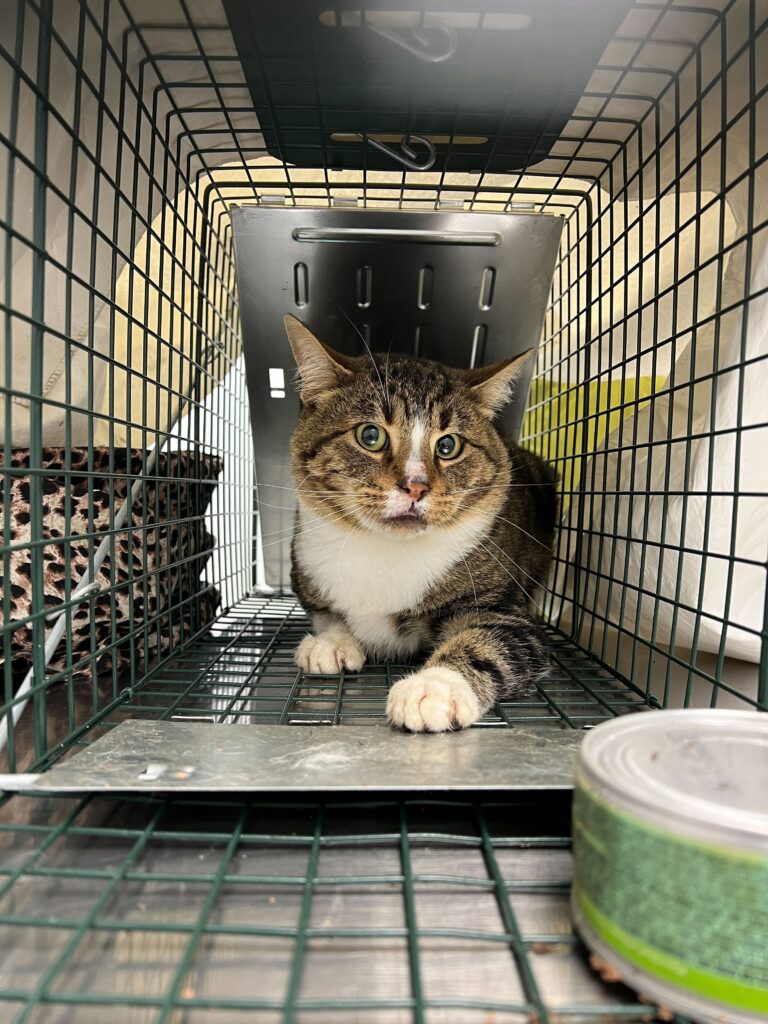
    A kitten we recently pulled from a TNR site in the trap still before being reuinited with his brother.

    Across the Fraser Valley and throughout Canada, community cat overpopulation is not a “cat problem”—it is a municipal infrastructure problem, a public health problem, and a budgetary problem. As someone who works hands-on with the consequences every day, I see the same pattern in city after city: when local governments fail to invest in accessible spay/neuter and Trap-Neuter-Return (TNR), companion animals, residents, and taxpayers all pay the cost.

    But when municipalities partner with grassroots organizations—especially charities like ours that already do the work with minimal overhead—communities see measurable, long-term returns on that investment. This is not speculation. It is evidence-based, cost-effective public policy.


    Why Spay/Neuter Is Essential: Health, Welfare & Population Stability

    For non-human animals, spaying or neutering is one of the single most impactful interventions we can provide. The benefits are well-documented:

    • Reduced risk of disease, including pyometra, testicular cancer, mammary cancer, and infections.
    • Decreased behaviours that lead to injury, roaming, and car-strike risk.
    • Improved overall welfare, especially for free-roaming and community cats who reproduce rapidly under stressful and resource-scarce conditions.

    Unsterilized cats can reproduce at exponential rates—one intact female can produce over 100 kittens in her reproductive lifetime, and her offspring compound the cycle. Without intervention, this creates a pipeline of kittens entering shelters, rescues, municipal intake systems, and public spaces. This is preventable.


    TNR: The Only Evidence-Based Method for Population Reduction

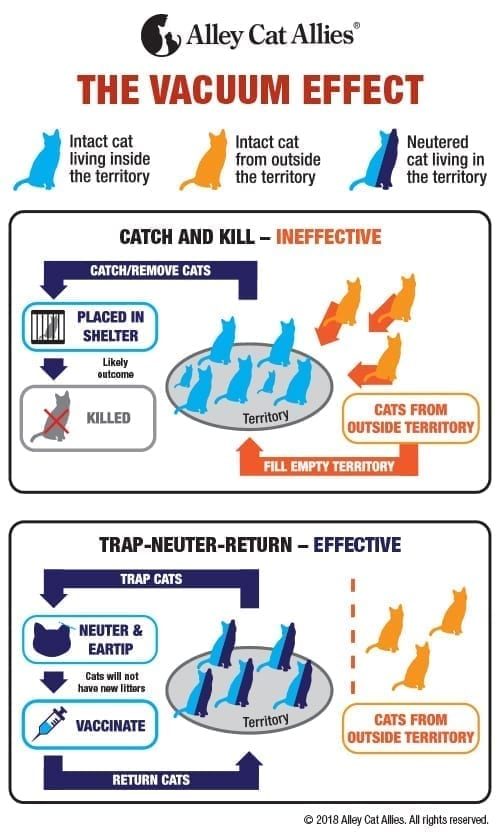
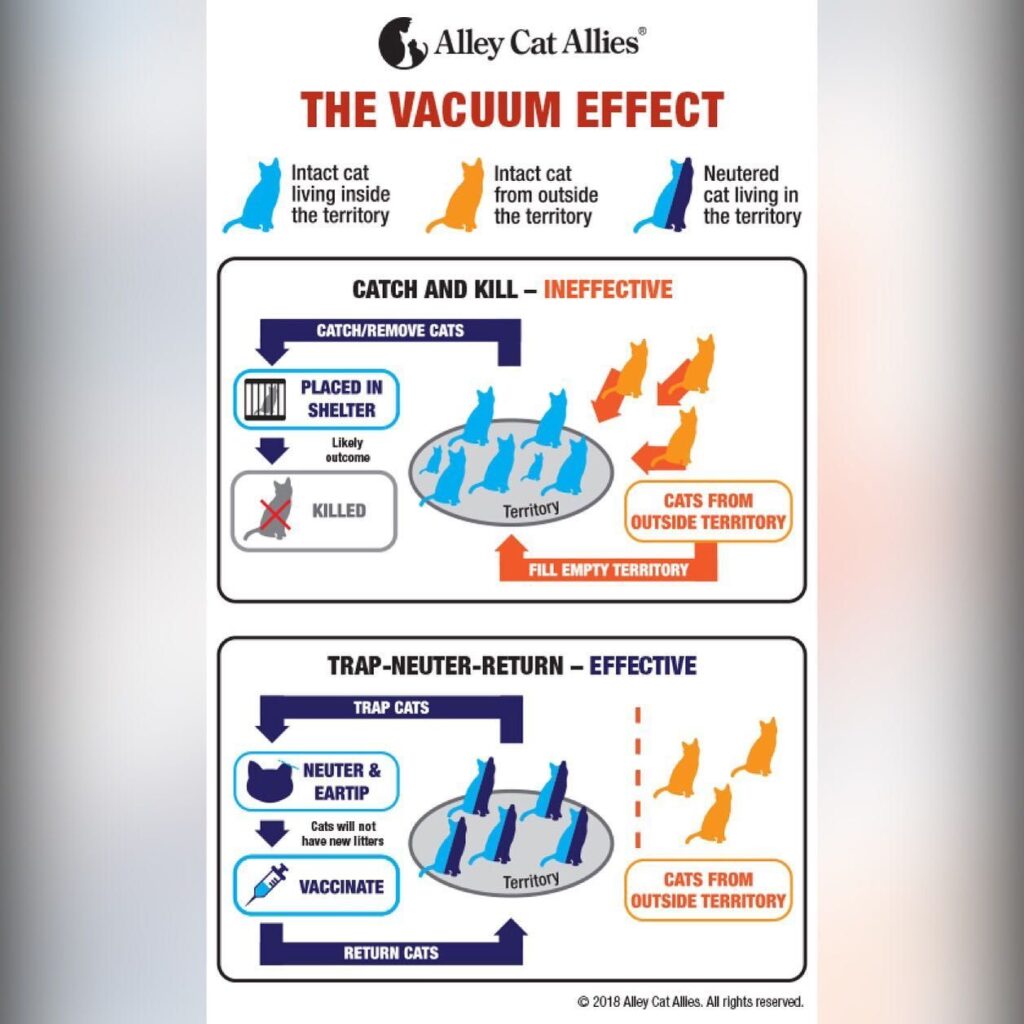
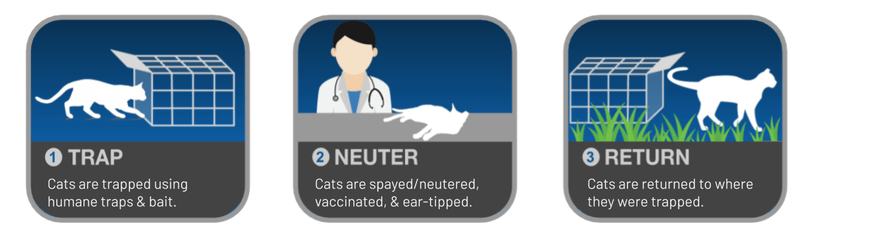
    TNR—Trap, Neuter/Spay, Return—is proven to stabilize and reduce colony populations over time. When adult cats are sterilized and returned:

    • They no longer reproduce.
    • They maintain territory, preventing unsterilized cats from moving in (the “vacuum effect”).
    • Colony size declines naturally through attrition.

    Jurisdictions across North America—from Los Angeles to Jacksonville to Toronto—have found that TNR reduces shelter intake, decreases euthanasia rates, and dramatically lowers municipal animal control costs. Doing nothing costs far more in the long run.


    The Fiscal Case: Spaying/Neutering Saves Municipalities Money

    Municipalities often don’t track the true annual cost of unmanaged cat populations, but evidence from other regions paints a clear picture: proactive spay/neuter programs are significantly cheaper than reacting to continual overpopulation.

    Key findings from comparative municipal studies include:

    1. Shelter Intake & Euthanasia Costs Drop Dramatically

    Cities that subsidize S/N and fund TNR consistently report:

    • 30–90% reductions in intake
    • 40–95% reductions in euthanasia
    • Lower staffing and operational costs

    Fewer animals entering the municipal system = fewer taxpayer dollars spent.

    2. Animal Control Operations Become More Efficient

    Without TNR, municipalities spend endless cycles:

    • Responding to nuisance calls
    • Picking up litters
    • Removing, transporting, housing, and often euthanizing cats

    TNR breaks the cycle and reduces complaints long-term.

    3. Public Health Costs Decline

    Spay/neuter reduces:

    • Feline fights and bite incidents
    • Roaming behaviours
    • Environmental impacts (waste, noise, predation)
    • Disease transmission within colonies

    Healthier, fixed cat populations produce fewer bylaw enforcement calls and fewer public health interventions.

    4. Municipal Support Leverages Massive Volunteer Labour

    Every dollar municipalities invest is multiplied by nonprofits and volunteers who do the trapping, transporting, housing, education, and aftercare work.

    This is the most cost-efficient public-private partnership a city can adopt.

    https://youtube.com/shorts/3f6hH1Ls9m8?feature=share
    Abby Cat Daddy Volunteers releasing three recently TNR’d girls back to their home.

    A Local Government Responsibility—Not a Luxury

    Organizations like Abby Cat Daddy absorb enormous costs that should not fall solely on charities:

    • Spay/Neuter surgeries
    • Emergency veterinary care
    • Fostering and socializing kittens born in unmanaged colonies
    • Feeding community cats
    • Colony cleanup
    • Medications, vaccines, microchipping
    • Volunteer coordination, education, and public support
    • Intake management from residents who have nowhere else to turn

    Municipalities benefit directly from all of this work—yet most contribute nothing financially.

    This is not sustainable.

    Local governments regularly budget for:

    • Waste removal
    • Traffic management
    • Parks and recreation
    • Rodent control
    • Stormwater systems

    Animal population management deserves the same recognition because it produces the same essential outcome: community stability and public safety.


    What Municipalities Should Do

    ✅ Fund targeted spay/neuter for low-income residents

    Allowing cost to be a barrier guarantees continual population growth.

    ✅ Allocate annual funding to nonprofits performing TNR

    Even $25,000–$50,000 per year can fix hundreds of cats and prevent thousands of births.

    ✅ Build municipal–nonprofit partnerships

    Nonprofits already have the infrastructure, training, and community trust. Cities simply need to resource them.

    ✅ Track data and measure impact

    Shelter intake, complaint calls, and bylaw utilization all decrease after investing in S/N.


    The Bottom Line

    Spay/neuter and TNR are not “animal issues”—they are public systems issues with clear operational and financial outcomes. Local governments can continue paying for the symptoms of overpopulation year after year, or they can invest in the solution.

    Organizations like ours are already doing the work. We are already reducing municipal burdens. We are already saving taxpayer dollars.

    But we cannot hold the line alone.

    It’s time for municipalities to invest in community-level spay/neuter and TNR as essential public infrastructure. The returns—ethical, environmental, and fiscal—are undeniable.


    References

    Peer-Reviewed & Government Data

    Municipal Reports Demonstrating Cost Savings


  • Why Two Kittens Are Better Than One:

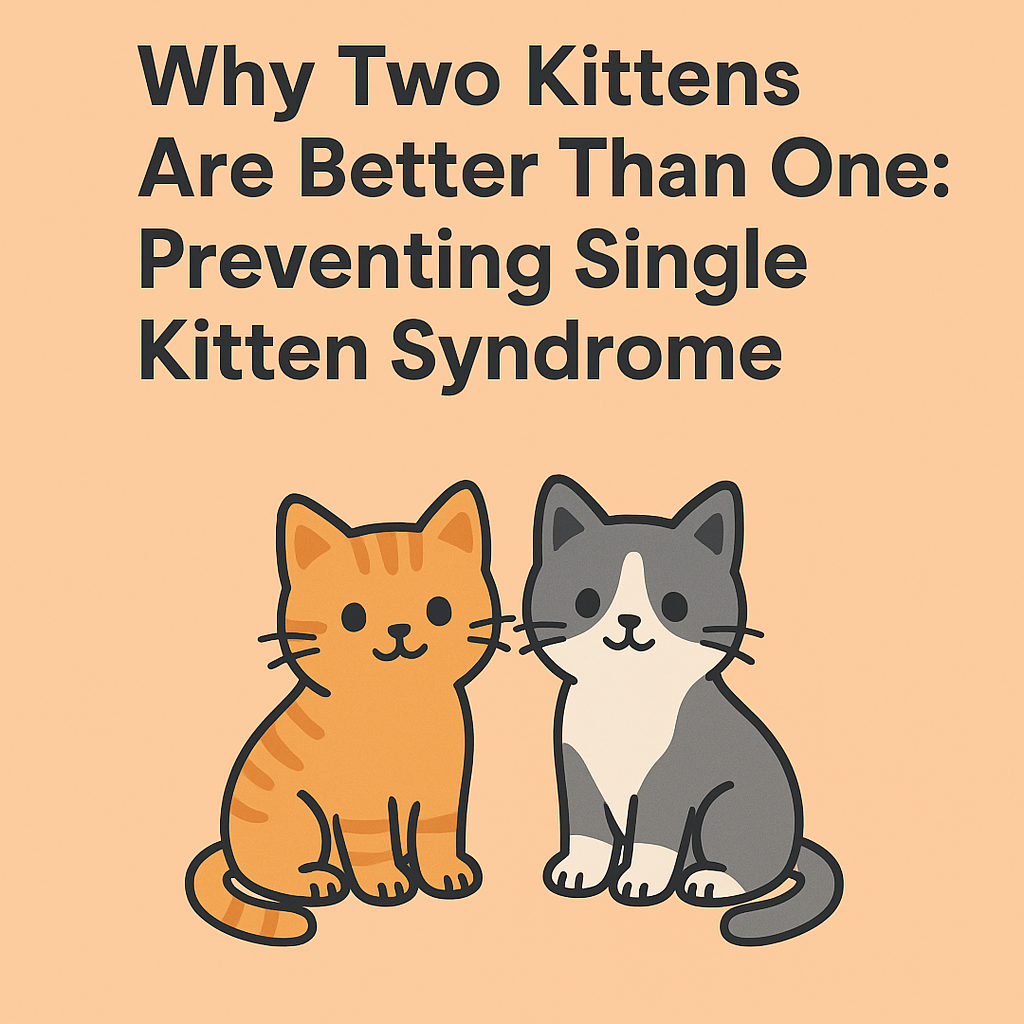
    Why Two Kittens Are Better Than One:

    Preventing Single Kitten Syndrome

    When it comes to adopting kittens, many people assume that taking home just one is simpler, easier, or more manageable. But did you know that adopting a pair is often healthier, happier, and better for everyone involved—especially the kittens?

    At Abby Cat Daddy, we frequently advocate for adopting kittens in pairs—and there’s good reason. Young cats have complex social and behavioral needs that are often best met by a feline friend. When raised alone, a kitten may struggle with what’s known as Single Kitten Syndrome, a condition that can lead to developmental, behavioral, and emotional challenges.

    What Is Single Kitten Syndrome?

    Single Kitten Syndrome describes a range of problematic behaviors that can emerge when a kitten is raised without a littermate or age-appropriate companion. These kittens may become overly dependent on their humans for attention and stimulation, which can result in:

    • Excessive vocalization or neediness
    • Rough play or aggression
    • Difficulty learning boundaries
    • Litter box issues
    • Overstimulation and biting during petting

    According to the National Kitten Coalition, these behaviors stem from a lack of essential peer-to-peer learning that happens through normal kitten play and social interaction. Without a sibling to wrestle, chase, and cuddle with, single kittens may not learn how to moderate their bite, respect boundaries, or self-soothe during stress National Kitten Coalition, 2022.

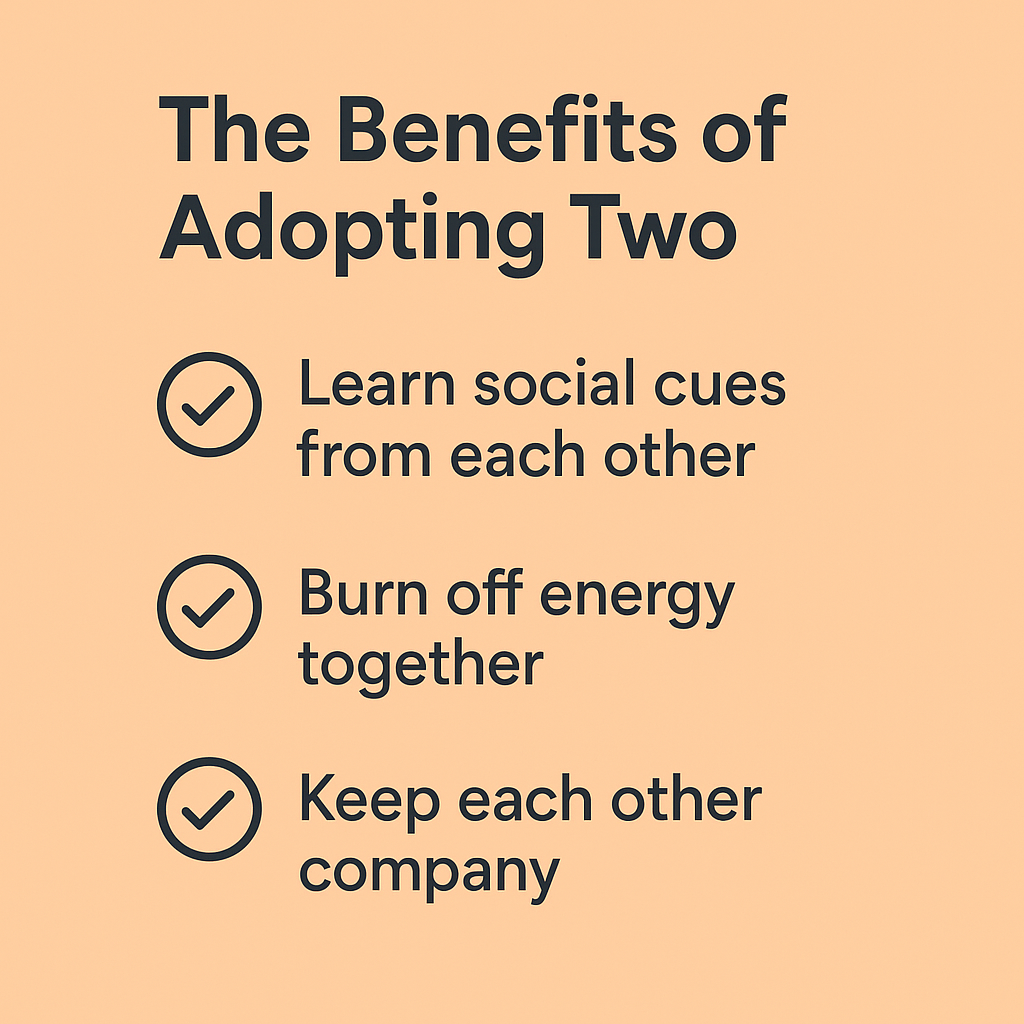
    The Benefits of Adopting Two Kittens

    Kittens adopted in pairs tend to grow into more well-adjusted adult cats. They:

    • Learn social cues from each other—like when play has gone too far
    • Burn off energy together, which reduces the risk of destructive behavior in your home
    • Keep each other company, lowering the risk of separation anxiety
    • Cuddle and groom one another, providing emotional support and bonding

    Most importantly, two kittens raised together are often easier to care for in the long run. They tire each other out, are more independent, and are far less likely to develop the behavioral problems that can arise from loneliness or under-stimulation.

    Double the Trouble? Not Quite.

    Many assume two kittens will mean twice the work—but that’s often not the case. Feeding, cleaning, and vet visits for two kittens are only marginally more effort, especially when compared to the long-term behavioral challenges of a single, under-stimulated kitten.

    Our Commitment

    At Abby Cat Daddy, we see the difference daily. Kittens raised in pairs grow into more confident, content, and balanced adult cats. Whenever possible, we strongly encourage adopters to consider adopting two kittens—especially if they’re under four months of age or have bonded in foster care.

    By choosing to adopt a pair, you’re setting them up for a lifetime of companionship, learning, and love.

    Learn more about Single Kitten Syndrome and the research behind it at the National Kitten Coalition.

    Ready to Adopt?

    If you’ve read this far, you already know why two kittens are truly better than one. Many of the kittens in our care are already paired with a sibling or a best friend—and they’re just waiting to meet you. Visit our Adoptions Page to browse bios, learn about their personalities, and find your perfect pair. A happier, healthier future starts with two.

    Resources

    For more information on kitten behavior and care, visit kittencoalition.org.

  • Why We Focus on Local Cats: Protecting the Fraser Valley’s Forgotten Felines

    Why We Focus on Local Cats: Protecting the Fraser Valley’s Forgotten Felines

    At Abby Cat Daddy the Feline Advocate Society (ACD), everything we do is rooted in one guiding belief: that every cat deserves safety, care, and dignity—especially those living in our own backyard. That’s why we focus exclusively on cats from the Fraser Valley. Because here, in the communities we call home, there is a quiet but devastating crisis playing out every day.

    And if we don’t show up for these cats—who will?

    We know that helping animals from out of region often feels like a powerful, compassionate choice. And it is, in many cases. But we’ve learned through lived experience that bringing in cats from other cities, provinces, or countries—while well-intentioned—can unintentionally hurt the cats who are already suffering right here. Cats who are often overlooked. Forgotten. Replaced by ones deemed more “urgent” simply because their stories come from elsewhere.

    The Fraser Valley’s Hidden Crisis

    The reality is that the Fraser Valley has a massive feline overpopulation problem. Every year, thousands of cats are born into homelessness—in fields, behind dumpsters, under porches, in industrial zones, and on farms. Many will never know a gentle touch, warm bed, or full belly. Others were once loved but have since been abandoned or left behind. And because of a severe lack of accessible spay/neuter services, affordable veterinary care, and education, the problem is only getting worse.

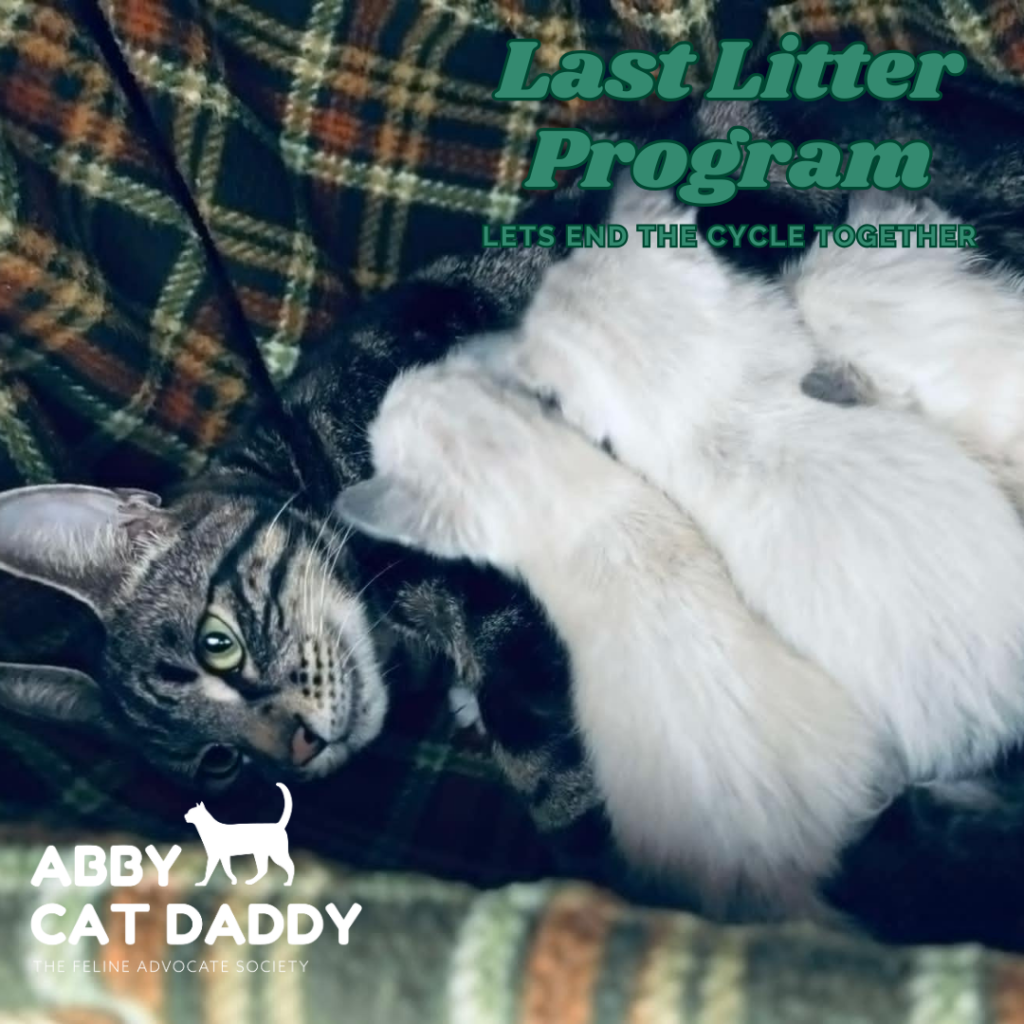
    At ACD, our commitment is to the cats who were already here—the ones being born into these conditions every single day. That’s why we’ve invested in community-based programs like TNR (Trap-Neuter-Return), our Last Litter Initiative, and upcoming efforts to increase affordable access to standard veterinary care—so more people can help their cats before issues become emergencies.

    Because we know we cannot simply adopt our way out of this.

    And we certainly can’t adopt our way out of someone else’s crisis, either.

    Adoptions Alone Won’t Solve This

    Let us be clear: we fully support and respect the work of organizations that respond to crises outside of their home regions. Groups that fly in to provide disaster response, sterilization campaigns, medical aid, or policy reform in high-need areas are doing important, life-saving work.

    But that work must go deeper than simply relocating cats through out-of-area adoptions. Because while adoption is beautiful and transformative, it is not a solution to overpopulation. It is a response to a symptom.

    Without addressing the root causes—lack of access to spay/neuter, poverty, stray populations, abandonment, and unregulated backyard breeding—this cycle continues. For every cat adopted out, there are five more being born. We must be honest about this.

    So while some organizations choose to extend their reach, we’ve chosen to go deep. To focus locally. To invest in programs that build long-term, sustainable change from the ground up.

    Why Bringing In Cats From Outside Hurts Local Ones

    When we bring in cats from elsewhere, we’re not creating more room—we’re filling space that could have gone to a cat already here. Our foster homes, vet appointments, donations, and adoptive families are all finite. Every cat brought in from another region means a local cat may be passed over, left behind, or euthanized elsewhere because the space simply isn’t there.

    Our fosters are full. Our vet partners are stretched. Our adoption waitlists grow. And yet, the stream of local cats in need never ends.

    It’s not about comparing suffering. It’s about recognizing capacity, and doing what we can where we are. And here in the Fraser Valley, there is still so much to do.

    We’re Focused on Solutions That Last

    At ACD, we believe the only way to create real, lasting change is to work upstream—to stop the suffering before it starts. That means:

    • Expanding access to affordable veterinary care
    • Supporting people who care for community cats
    • Helping families keep their cats through education and resources
    • Investing in public awareness about responsible pet guardianship
    • TNR programs to humanely manage and reduce stray populations

    Our goal isn’t just to find homes for cats—it’s to create a future where there are fewer cats suffering to begin with. We don’t want to grow to accommodate more emergencies. We want fewer emergencies. That’s the difference.

    So while some may question why we “only” help Fraser Valley cats, we see it as a deep commitment—to our community, to sustainable change, and to the cats who otherwise have no one advocating for them.

    Because local cats are just as worthy. Just as desperate. Just as deserving. And their futures depend on us keeping our promise to put them first.

    Way’s to Support Our Efforts

  • Founder Logan Bryan in the News (Again!)

    We’re excited to share that our Founder and President, Logan Bryan, has once again been featured in the media—helping bring critical attention to the cat overpopulation crisis and the work Abby Cat Daddy is doing to build long-term, community-based solutions.

    🐾 ChillTV/AbbyTV’s DayBreak Feature
    Logan recently appeared on DayBreak, a local current affairs show on ChillTV/AbbyTV. In the interview, he discussed our rescue’s ongoing programs, the importance of spaying and neutering, and how we’re working to tackle the root causes of the community cat crisis through accessible veterinary care and targeted TNR (Trap-Neuter-Return) efforts.
    🎥 Watch the full interview: Logan starts at 16:10

    📰 Fraser Valley Today (FVT)
    A few weeks ago, Fraser Valley Today published a media release highlighting the growing kitten population and calling for public support. The article emphasized that Abby Cat Daddy doesn’t just treat the symptoms—we’re working toward long-term solutions through low-cost sterilization, community education, and TNR.
    📖 Read the article here: https://fraservalleytoday.ca/2025/05/18/abbotsford-rescue-organization-calls-for-help-as-kitten-population-rises/

    📣 Fraser Valley News Network (FVN)
    Just today, Fraser Valley News Network spotlighted our June events and how the public can support our lifesaving work across the region. This includes our:

    • Bottle Drives
      • June 7: Ellwood Park, Abbotsford
      • June 14: Centennial Park, Mission
      • June 21: Watson Glen Park, Chilliwack
        Bring your empty cans, bottles, and milk containers in clear or blue bags between 11 AM–2 PM. Need a pickup? Message us and we’ll try to coordinate it!
    • Community Booth at the Downtown Chilliwack Market
      • June 28: Central Park, 10 AM–2 PM
        Visit us for cat-themed merchandise, info on how to get involved, and updates on our Thrift Store & Adoption Centre plans.
    • Summer 50/50 Raffle
      Tickets are just $5 each or 5 for $20—and every ticket helps fund our TNR program, vet care, and community outreach.
      🎟️ Buy tickets here: https://tinyurl.com/acdsumraf

    📖 Read the full FVN article here: https://fraservalleynewsnetwork.com/2025/06/02/support-local-cats-this-june-with-abby-cat-daddy-events-across-the-fraser-valley/

    🐱 Why This Matters
    As kitten season ramps up and our resources are stretched thin, this kind of media attention helps us reach new supporters and expand our impact. From spay/neuter access to community education, our mission is rooted in long-term change—not just temporary fixes.

    If you’re new to Abby Cat Daddy, welcome! And if you’ve been with us for a while, thank you—this visibility is a direct result of your support.

    💛 Want to get involved? Learn how to donate, foster, or volunteer at theabbycatdaddy.ca

  • The Winner of our Winter 50/50

    The Winner of our Winter 50/50

    Thank you to everyone who has supported us over the last three years when I started Abby Cat Daddy the Feline Advocate (Now … the Feline Advocate Society).

    With it being our first 50/50 raffle we didn’t know what to expect and we are so thrilled to announce the total pot ended up at $2330 with the winner set to receive $1165!

    With the add-on donations we received through this fundraiser of $540 the rescue has raised $1705 towards our Thrift Store & Adoption Centre project

    Thank you to ALL of you who bought tickets, shared the posts and helped us get here, we wouldn’t have been able to do it without you. 

    You can watch the Facebook Live where the draw was done by clicking here.

    We have also started the spring 50/50 raffle fundraiser with the draw being held on  April 5th, you can click on the button below to get your tickets to that one now. 

    If you have the winning ticket please email us at rescue@theabbycatdaddy.ca with the scanned copy of your ticket along with government photo ID to claim your prize!

    Once again, thank you for being a part of our community and for your continued support.

    Warm regards,
    Logan Bryan
    Abby Cat Daddy the Feline Advocate Society

  • Keeping Lost Companion Animals Safe: A Guide from Abby Cat Daddy the Feline Advocate Society

    Keeping Lost Companion Animals Safe: A Guide from Abby Cat Daddy the Feline Advocate Society

    At Abby Cat Daddy, the Feline Advocate Society, we understand how distressing it can be when a companion animal goes missing. The worry and confusion can be overwhelming, but taking swift action can greatly increase the chances of a safe return. While we don’t conduct active searches for lost companion animals, we are committed to supporting our community by sharing posts on our page to help reunite lost animals with their families. Here’s a guide on what to do if your companion animal goes missing and how we can help you spread the word.

    What to Do When Your Companion Animal Goes Missing

    The first few hours are critical in locating a lost companion animal. Here’s what you can do immediately:

    1. Search Your Home and Neighborhood Thoroughly
      It’s important to check your home and surrounding area carefully, as companion animals can sometimes hide in unexpected places. For cats, in particular, small spaces like garages, sheds, or under porches are common hiding spots.
    2. Notify Local Animal Shelters and Rescues
      Contact local shelters, animal control, and vets in your area. Many organizations, including the ones in the Lower Mainland, have lost and found services where you can report your companion animal as missing and check their intake records for updates.
      BCSPCA Lost & Found Pet Search
    3. Post on Social Media and Community Pages
      Social media can be a powerful tool when trying to locate a lost companion animal. We encourage you to share details about your missing animal on community groups, Facebook, and Instagram. Include a clear photo, a description, and the last known location. Abby Cat Daddy will help amplify your search by sharing your post to our own page, helping to increase visibility.
      Missing Pets Fraser Valley
      Chilliwack Missing Pets
      Missing Pets and Sightings Fraser Valley
    4. Put Up Flyers
      Traditional flyers are still a very effective method of spreading the word. Post them around your neighborhood, at local parks, and on community bulletin boards. Include a good photo, your contact info, and any distinguishing features of your companion animal. If you have opted in for pet-insurance many policies actually provide a monetary reward you can offer for finding your companion animal/pet.
    5. Check with Animal Control and Local Vets
      Many lost companion animals are brought to animal control or local veterinary offices. Keep checking in with these places, and be sure your animal is on their radar.
    6. You can also reach out to search organizations and volunteer groups
      Pet Searchers Canada
      Halo’s Pet Rescue

    Tips for Preventing Future Escapes

    Once your companion animal is home, consider taking these steps to prevent future escapes:

    • Microchip Your Companion Animal: A microchip offers permanent identification that can help reunite you with your companion animal if they go missing.
    • Keep Your Cat Indoors: Indoor companion animals are far less likely to get lost or injured. If your cat is used to outdoor exploration, consider a secure outdoor enclosure or leash walking.
    • Ensure Your Home Is Secure: For those with outdoor companion animals, make sure your home is properly secured—check fences, doors, and windows regularly to avoid any escape routes.
    • Spay and Neuter Your Companion Animal: Many times especially with cats, the reason they escape in the first place is due to their reproductive hormones. They’re off looking for a mate, so if they do escape while intact its important to spay/neuter them right away to prevent any accidental litters, preventing it from happening again and you can get ID. We offer a lower cost spay and neuter program that can be access here.

    Abby Cat Daddy’s Role in Helping Reunite Lost Companion Animals

    While Abby Cat Daddy does not actively search for lost animals, we are always ready to help by sharing posts to our page to help amplify the search. When you share your post with us, we’ll do our part in spreading the word to a broader audience, increasing the chances that your companion animal will be found and safely returned home.

    If you’re in the local area and need help spreading the word about your missing cat, feel free to reach out to us. We’re here to support you through the process and ensure your companion animal gets as much visibility as possible.

    Conclusion: Don’t Give Up Hope

    Losing a companion animal is a heart-wrenching experience, but it’s important to stay proactive and hopeful. By following these steps and getting the word out through social media and local networks, you improve your chances of being reunited with your furry friend. Abby Cat Daddy is here to help amplify your efforts by sharing your post on our page and getting it in front of as many eyes as possible.

    Stay connected with us for more resources, tips, and ways to help keep your companion animals safe.

  • Founder Logan Looks Towards 2025 with BIG Goals

    Founder Logan Looks Towards 2025 with BIG Goals

    🚨 BIG NEWS ALERT! 🚨

    We’re beyond excited to announce a massive project we’ve been working on behind the scenes—our founder, Logan, is here to share the vision for our 2025 goal: a combined Thrift Store & Adoption Centre right here in Abbotsford! 🐱💛

    This project is a game-changer—not just for our organization, but for so many cats in our community who are waiting for their forever homes. We’re aiming to raise between $60,000 and $100,000 to bring this dream to life in a responsible and impactful way. Every penny raised will go directly toward helping us build a safe, welcoming space for both cats and people.

    The thrift store will generate funds to support our mission, and the adoption centre will provide a loving environment for cats who need a second chance at life. This is more than just a building; it’s a place where community, compassion, and action come together to help local cats and their future families.

    But we can’t do it alone. We need your support to make this happen! Whether it’s donating, spreading the word, or getting involved in any way you can, every bit helps us get closer to our goal.

    Stay tuned for more updates and ways you can contribute as we move toward making this vision a reality! 🐾

    Let’s make 2025 the year we change the lives of so many cats in Abbotsford! ❤️

    You can donate by clicking here directly to the project fund!

  • The Sad Truth About Kitten Season: Why Awareness Matters

    The Sad Truth About Kitten Season: Why Awareness Matters

    Kitten season, typically spanning from early spring through late fall, is often perceived as a delightful time when cute, cuddly kittens fill shelters and pet stores, eagerly awaiting adoption. However, this influx is not just an adorable phenomenon; it represents a serious and recurring issue in animal welfare. The sad truth about kitten season is its direct connection to pet overpopulation, the strain on shelters, and the dire consequences for countless animals. Let’s dive deeper into why this season is more bitter than sweet and how increased awareness and action can make a difference.

    The Onset of Kitten Season

    Kitten season aligns with the breeding cycles of cats, peaking when the weather becomes warmer. This results in a surge of births because many cats are not spayed or neutered. Consequently, shelters during this time are overwhelmed with litters of kittens. While kittens are indeed adoptable, the sheer volume of new arrivals during these months often exceeds the number of available homes.

    The Strain on Resources

    Animal shelters and rescue organizations face significant challenges during kitten season. The sudden increase in population stretches resources thin, from space and food to veterinary care and manpower. Many shelters operate on limited budgets, and the influx of kittens can lead to compromised care for all animals if additional support is not provided.

    Financial Impact

    The cost of healthcare, including vaccinations, spaying, and neutering, can be substantial. Shelters strive to ensure that kittens are not only rehomed but are also healthy and sterilized to prevent future overpopulation. This ideal scenario is often financially draining.

    Emotional Toll

    The emotional toll on shelter staff and volunteers can be profound. Volunteers face difficult decisions daily, including the euthanization of healthy animals when adoption rates do not keep up with the intake of new kittens. The stress and moral strain of managing this cycle can lead to burnout and high turnover among dedicated volunteers.

    The Darker Side: Euthanasia and Maternal Deaths

    Perhaps the saddest aspects of kitten season are the increased rate of euthanasia and the tragic fate of some pregnant cats. Shelters, despite their best efforts, are sometimes forced to make heart-wrenching decisions when capacity is exceeded. Healthy kittens and adult cats alike may face euthanasia simply because there is no room to house them and insufficient interest in adoption. (Most organizations in BC do not euthanize for this reason, but will turn away cats due to overflowing)

    Tragically, some pregnant cats die in labor due to complications such as kittens becoming stuck during delivery. In some heart-rending cases, entire litters are found alongside the bodies of their deceased mothers, highlighting the severe risks of unchecked breeding and the harsh realities of life for stray and feral cats.

    What Can We Do?

    The challenges of kitten season, while daunting, are not insurmountable. There are several ways we can help mitigate this issue:

    Spay and Neuter

    The most effective way to prevent unwanted litters is by spaying and neutering pets. Pet owners must be encouraged to sterilize their cats, and communities should support low-cost or free spay/neuter programs to reach a broader audience.

    Foster and Adopt

    Fostering helps alleviate the burden on shelters by providing temporary homes, and adopting from shelters makes room for other animals in need. Both actions directly contribute to reducing the number of animals in shelters.

    Educate and Advocate

    Increasing awareness about the challenges of kitten season can lead to community action and support. Advocating for responsible pet ownership and supporting local shelters through donations or volunteering are vital steps in making a difference.

    Support Trap-Neuter-Return (TNR)

    For feral or community cats, TNR programs are effective in controlling the population humanely. These programs involve trapping the cats, neutering them, and then returning them to their environment. This is why it’s vital that we get our program up and running again.

    Conclusion

    Kitten season, for all its apparent cuteness, underscores a critical issue in animal welfare. By understanding the sad truths behind this season and taking proactive steps to address them, we can hope to see a future where every kitten born has a chance at a long, healthy, and happy life. As a community, fostering compassion and taking action can transform the plight of these innocent animals into a cause for hope and positive change.